
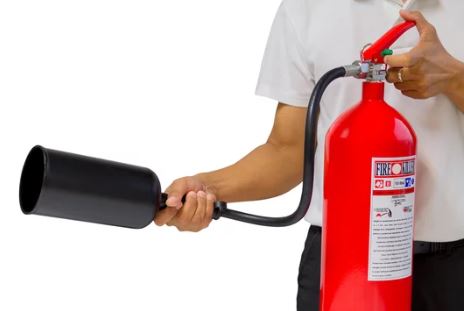
Fire extinguishers are essential safety tools that can help prevent small fires from becoming major disasters. Knowing how to use one properly can make all the difference in an emergency.
Here’s a step-by-step guide to help you understand how to use a fire extinguisher effectively.
Step 1: Assess the Situation
Before using a fire extinguisher, ensure that:
- The fire is small and contained (like a wastebasket fire).
- You have a clear escape route.
- You know what’s burning (to use the correct type of extinguisher).
If the fire is too large or spreading quickly, evacuate immediately and call emergency services.
Step 2: Choose the Right Extinguisher
Fire extinguishers are classified by the type of fire they can put out:
- Class A: For ordinary combustibles like wood, paper, and cloth.
- Class B: For flammable liquids like gasoline, oil, and grease.
- Class C: For flammable gases like LPG, hydrogen, butane and methane.
- Class D: For flammable metals like potassium, uranium, lithium, plutonium
- Class E: For electrical fires from equipment, appliances and wiring or an electric blanket
- Class F: For kitchen fires involving cooking oils and fats.
Make sure you have the appropriate extinguisher for the fire you’re dealing with.
Step 3: Remember the PASS Technique
The PASS technique is a simple way to remember how to use a fire extinguisher:
- Pull the pin: This unlocks the operating lever and allows you to discharge the extinguisher.
- Aim low: Point the nozzle or hose at the base of the fire.
- Squeeze the lever: This releases the extinguishing agent.
- Sweep from side to side: Move the nozzle from side to side until the fire is out. Start using the extinguisher from a safe distance and move closer as the fire diminishes.
Step 4: Use the Extinguisher
Stand at a safe distance (approx 2 metres) from the fire and follow the PASS technique. Keep an eye on the fire and be ready to back away if it flares up again.
Step 5: Evacuate if Necessary
If the fire does not go out or if it starts to spread, evacuate immediately. Follow your emergency response procedure, close doors behind you to contain the fire and call emergency services.
Step 6: After the Fire
Once the fire is out, don’t leave the area immediately. Watch for any signs of re-ignition. If you’re confident the fire is completely out, ventilate the area to clear any smoke and fumes.
Safety Tips
- Regularly check your fire extinguishers to ensure they are charged (in the green) and in good working condition.
- Familiarise yourself with the location and operation of fire extinguishers in your home or workplace.
- Consider taking a fire safety training with Survival Solutions to build your confidence in using a fire extinguisher.
By following these steps, you can be better prepared to handle a fire emergency safely and effectively. Remember, if in doubt evacuate!
Feel free to share this guide with friends and family to help them stay prepared too! If you have any questions or need further information, reach out to the Survival Solutions team today!